
5.0/5
170+ reviews
Your Lawn Isn’t Dead — But NOW Is the Time to Act
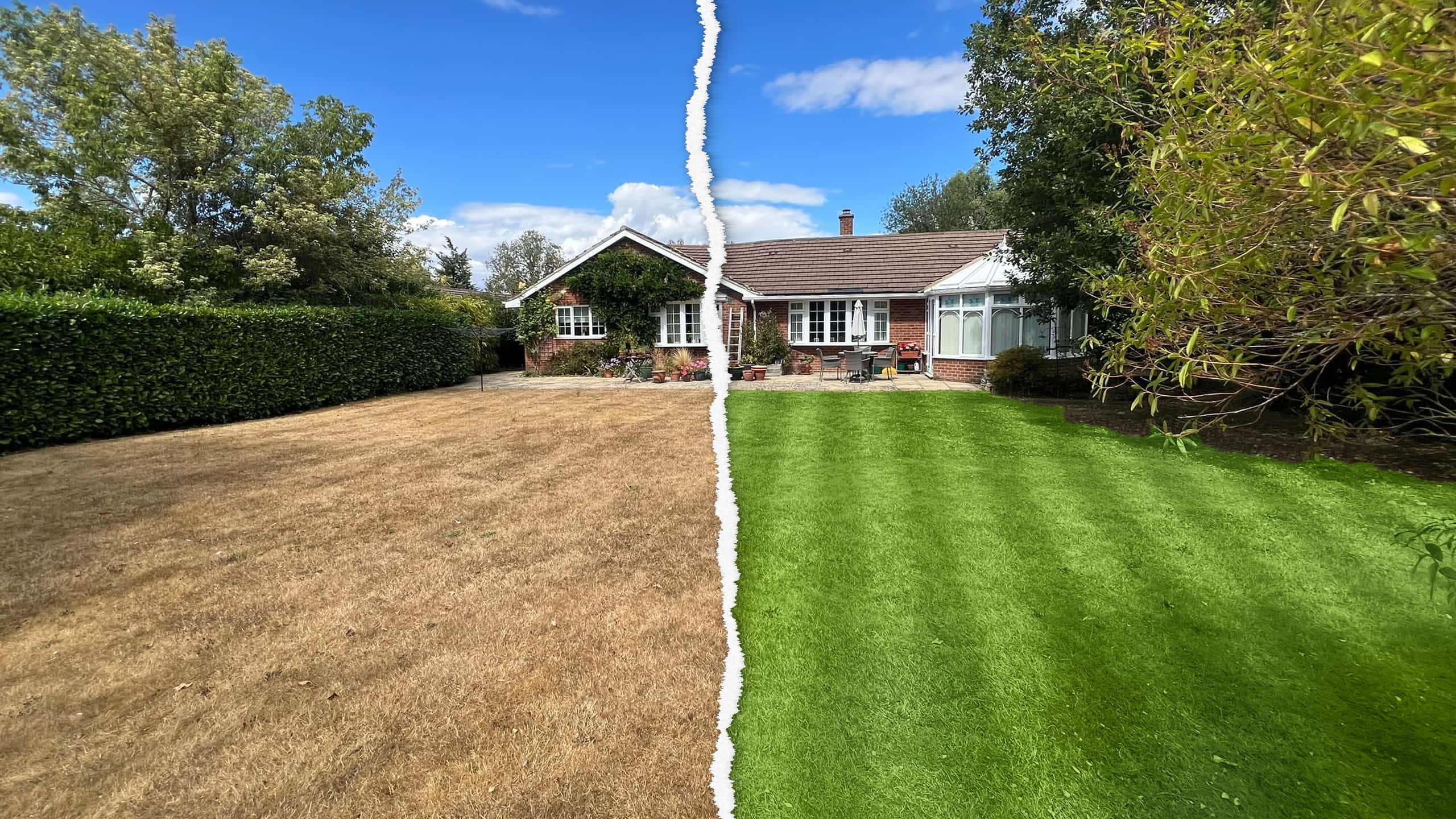
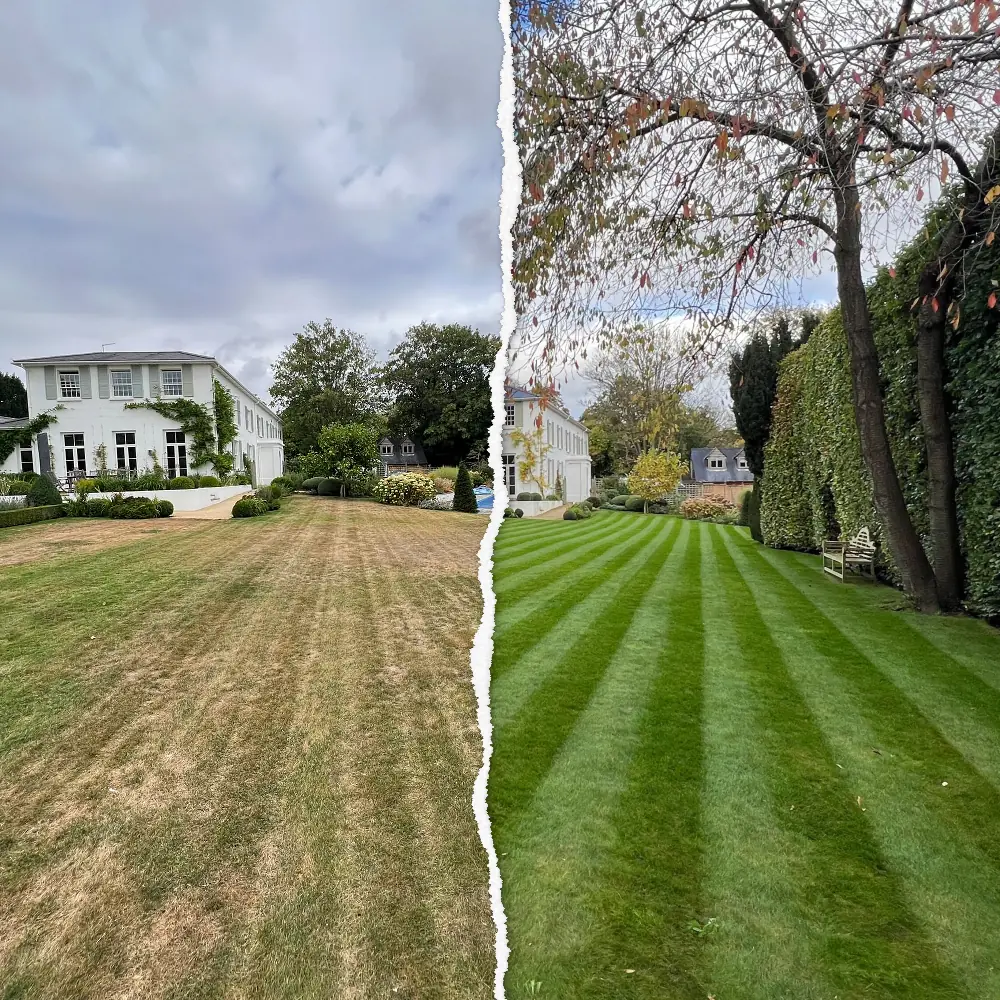
We had one of the driest summers on record — and it shows in lawns across South Oxfordshire and West Berkshire. Most of that brown, thin, patchy grass is dormant, not dead — but the bare patches, the dead thatch and the ground baked too hard to take water won’t fix themselves.
- List item #1
Lawn Drought Recovery
Lawn Renovation After the Drought: Good News, Bad News — and the Catch
Good news: most of that brown, thin, patchy grass isn’t dead. It’s dormant — and it’ll green up once proper rain comes.
Bad news: the bare patches, the dead thatch and the ground baked too hard to take water won’t fix themselves.
The most important catch: the window for action is NOW. Autumn soil is usually warm but damp again — exactly what new seed needs, plus it will have a head start. Miss it, and your second best chance is spring — assuming it isn’t as dry as this spring was.
Our Autumn Lawn Renovation
What’s Included in Our Autumn Lawn Renovation
A full renovation to bring your lawn back — and give it a head start before winter.
Scarify
We lift out the dead thatch to make space for new seed.
Aerate
So water and nutrients can reach the roots again.
Overseed
A hard-wearing, drought-tolerant seed mix.
Top Dress & Starter Feed
Top dressing and/or a starter feed to build roots before winter.
Return Visit 4–6 Weeks Later
An organic MO Bacter feed — its bacteria digest the dead thatch and moss, so there’s nothing to rake out.
Free Consultation Visit
No obligation — we’ll tell you straight the best way to recover your lawn.
Why Now
The Window for Action Is NOW
Autumn soil is usually warm but damp again — exactly what new seed needs, plus it will have a head start before winter.
Miss it, and your second best chance is spring — assuming it isn’t as dry as this spring was. September and October are booking up now!
Why Great Garden
Why Choose Us for Lawn Recovery in South Oxfordshire & West Berkshire
Established for over 20 years in the gardening and landscaping world, we’re based in Ipsden, near Wallingford, and renovate lawns across South Oxfordshire and West Berkshire — including Wallingford, Henley-on-Thames, Goring & Streatley, Woodcote, Pangbourne, Benson, Dorchester, Didcot, Nettlebed and Nuffield.
How It Works
How We Bring Your Lawn Back
Book a free consultation visit, or simply send us a photo of your lawn with its rough square metres and we’ll create a recovery plan for you.
01
02
03
04
FAQ
Common Questions About Lawn Drought Recovery
Not sure whether your lawn can be saved? These are the questions we’re asked most.
Is my brown lawn dead?
Most of that brown, thin, patchy grass isn’t dead. It’s dormant — and it’ll green up once proper rain comes. The bare patches, the dead thatch and the ground baked too hard to take water, however, won’t fix themselves.Why act now rather than wait for spring?
Autumn soil is usually warm but damp again — exactly what new seed needs, plus it will have a head start. Miss it, and your second best chance is spring — assuming it isn’t as dry as this spring was.What does the autumn lawn renovation involve?
Scarifying to lift out the dead thatch, aerating so water and nutrients can reach the roots again, overseeding with a hard-wearing, drought-tolerant mix, and top dressing and/or a starter feed to build roots before winter — followed by a return visit 4–6 weeks later.What happens at the return visit?
4–6 weeks after the renovation we apply MO Bacter organic feed, whose bacteria digest the dead thatch and moss so there’s nothing to rake out.How do I get a quote?
Book a free consultation visit — no obligation — and we’ll tell you straight the best way to recover your lawn. Or simply send a photo of your lawn and its rough square metres to love@greatgarden.co.uk and we’ll create a recovery plan for you.How soon can you come?
September and October are booking up now — get in touch using the form below to book your free consultation visit.Can you help my garden cope with the next dry summer?
Yes — we also install drip irrigation (exempt from hosepipe bans), water butts and storage tanks, and replace plants that didn’t survive. Just ask.Which areas do you cover for lawn renovation?
We’re based in Ipsden, near Wallingford, and cover South Oxfordshire and West Berkshire — including Wallingford, Goring & Streatley, Woodcote, Cray’s Pond, Stoke Row, Pangbourne, Benson, Dorchester, Didcot, West and East Ilsley, Compton, Nuffield, Nettlebed and Henley-on-Thames.When is the best time to scarify a lawn?
Autumn. The soil is usually warm but damp again — exactly what new seed needs once the dead thatch has been scarified out — and the new grass gets a head start before winter. Spring is the second-best window, assuming it isn’t as dry as this spring was.
More From Great Garden
Other Services We Offer
Landscaping
Turfing & Lawn Seeding
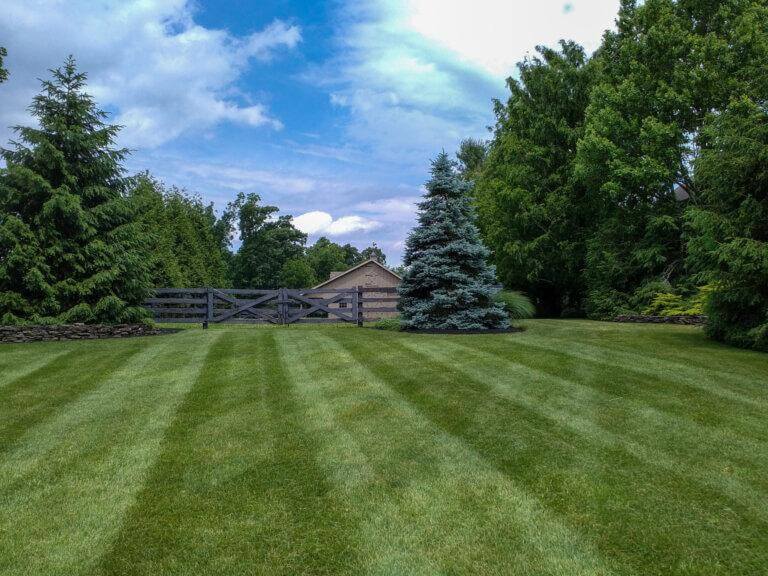
Lawn is the carpet of your garden. It’s no wonder then, that even neglected gardens with properly cared for lawns have a wild and exciting charm. Let Great Garden help you bring the best out of your lawn.

Garden Services
Flowerbed Maintenance
Your garden will only look good for as long as it is maintained. A little care however goes a long way, and weeding, pruning, trimming or some planting can ensure your garden looks its best all year round.

Garden Services
Hedges & Topiary
From planting, pruning, shaping, reductions to removals and stump grinding, we offer professional hedge and topiary services across South Oxfordshire and West Berkshire.